OS X Mavericks 10.9.3 Beta Contains Native 'Retina' Resolution Option for 4K Displays

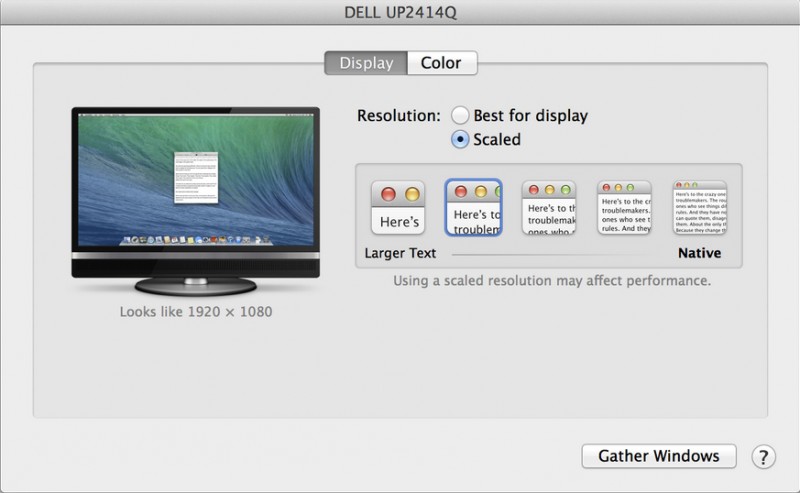
Just released earlier tonight, Apple's OS X Mavericks 10.9.3 beta appears to have built-in support that enables all compatible 4K displays to be set at a "Retina" resolution, with an option for 60Hz output. The compatibility was first discovered by Twitter user @KhaosT, and was tested with both the Late 2013 Retina MacBook Pro and redesigned Mac Pro in conjunction with Dell's UltraSharp 24 Ultra HD Monitor

To this point, OS X compatibility with 4K displays has been known to be somewhat erratic, as AnandTech revealed in December that Sharp's 32'' 4K display supported only one scaled resolution at 2560 x 1440. Furthermore, it was discovered that Apple had chosen to render text, menu and UI elements in the same manner as the Retina MacBook Pro, resulting in small and difficult to read on-screen elements on a 4K display. Various other 4K monitors were also found to be not properly supported. 

Native support for 4K displays could also indicate that Apple is gearing up to release a higher-resolution Thunderbolt Display, as Apple last refreshed the monitor over two years ago. A number of other companies also introduced more affordable 4K displays at CES 2014 in January, with options from the likes of LenovoAsusSeiki, and LG expected to hit the market throughout this year. 
Vì sao Apple chọn sử dụng GPU của Imagination cho các máy iOS?

Nói tới iPhone hay iPad thì hầu hết chúng ta chỉ quan tâm là nó chạy CPU Apple Ax, nhưng có một thành phần quan trọng không kém mà ít ai để ý, đó chính là GPU. Khác với PC, hầu hết GPU trên thiết bị di động sẽ được tích hợp trong CPU, từ đó giúp 2 thứ này giao tiếp với nhau nhanh hơn, từ đó chạy mượt hơn. Mới đây, Apple đã phát đi thông báo rằng họ tiếp tục kí thỏa thuận sử dụng GPU PowerVR của Imagination Technologies. Như vậy là GPU PowerVR sẽ tiếp tục xuất hiện trong các máy iOS thêm nhiều năm nữa, và trong bài viết này thì chúng ta sẽ tìm hiểu tại sao Apple lại chọn GPU của IT mà không phải là một hãng nào khác.

Các chuyên gia marketing đã rất thành công khi quảng cáo rằng CPU có nhiều nhân sẽ mạnh hơn, rằng 2 nhân mạnh hơn 1 nhân và đương nhiên thì 4 nhân mạnh hơn 2 nhân. Kèm theo đó, xung nhịp cao hơn cũng đồng nghĩa là nhanh hơn, ví dụ CPU 2 nhân 1,5GHz không thể nào chậm hơn CPU 2 nhân 1GHz. Nhưng câu chuyện lại hoàn toàn khác, bởi ngoài thông số xung nhịp, số nhân ra thì sức mạnh của CPU được quyết định rất nhiều ở kiến trúc, tiến trình và thế hệ sản xuất, ví dụ chip ARM 2 nhân kiến trúc ARMv8 (64 bit) mạnh hơn chip 4 nhân ARMv7 (32 bit) là điều đương nhiên.

Điều này cũng tương tự với GPU. Nếu như CPU di động đang phổ biến ở 2 nhân và 4 nhân, thậm chí là 8 nhân theo công nghệ big.LITTE của ARM, thì GPU đã tiến xa hơn rất nhiều. Chúng ta cần biết là chip Tegra K1 của nVIDIA có GPU tới 192 nhân, số nhân này gấp tới 24 lần số nhân CPU hiện nay. Tương tự đó, mới đây Imagination Technologies, hãng sở hữu GPU PowerVR cũng đã công bố thế hệ GPU di động của họ với 192 nhân, hứa hẹn sức mạnh xử lý đồ họa vượt trội. Để so sánh sức mạnh của GPU này với GPU kia, cách nhanh nhất là so sánh thông số GFLOPs, tức năng lực xử lý của nó.

Hiện tại có khoảng 7 nhà sản xuất GPU cho thiết bị di động "có tiếng tăm" trên thị trường hiện nay, là Qualcomm với Adreno, nVIDIA, Intel, Broadcom, ARM với Mali, Vivante và IT với PowerVR. Với IT, có một cách đơn giản để biết GPU của họ có bao nhiêu nhân, đó là nhìn hậu tố trong tên mã của sản phẩm, ví dụ GPU SGX544MP3 là thế hệ SGX544 và MP3 là có 3 nhân, nếu không có số đi kèm phía sau thì nghiễm nhiên GPU đó chỉ có 1 nhân mà thôi. Hãng này sẽ cung cấp cho các OEM tùy chọn gia giảm số nhân GPU, từ 1 nhân cho đến 16 nhân, tùy theo nhu cầu sử dụng của họ.

Điểm đặc biệt của GPU PowerVR là nó sử dụng cơ chế dựng hình Tile Based Deferred Renderer(TBDR), trong khi các GPU cho di động khác thường hoạt động theo cơ chế Immediate Mode Renderer (IMR). Với cơ chế IMR, GPU sẽ render mọi thông tin mà nó nhận được, điều này làm cho thời gian xử lý sẽ lâu hơn, hao phí tài nguyên hơn. Trong khi đó, với TBDR thì GPU sẽ phân chia khung hình mà nó nhận được thành nhiều ô nhỏ, sau đó GPU chỉ bắt đầu dựng hình khi mà toàn bộ đối tượng đã được truyền dữ liệu tới. Nó sẽ sử dụng thuật toán Hidden Surface Removal (HSR - Bỏ qua bề mặt không thấy được), GPU sẽ chỉ xử lý những đối tượng nào sẽ xuất hiện trong hình ảnh mà chúng ta thấy được, còn những phần nào không thấy hoặc không cần thiết thì sẽ bị loại đi, giúp tiết kiệm thời gian render và tài nguyên phần cứng.

HSR: Thử tưởng tượng là A và B đứng so le nhau. Những phần nào của B bị A che mà C không nhìn thấy sẽ được GPU lược bỏ, không xử lý tới. Nhờ vậy việc dựng hình sẽ nhanh và ít tốn tài nguyên hơn, cuối cùng là ít hao pin hơn.

Như vậy thì chúng ta có thể tạm hiểu là tại sao Apple lại chọn GPU PowerVR cho các thiết bị iOS của mình, vốn có thuật toán xử lý hình ảnh TBDR ưu việt hơn IMR. Vì tiết kiệm pin là yếu tố tiên quyết mà họ quan tâm khi thiết kế phần cứng cho các sản phẩm của mình.

Nói về Imagination, mới đây hãng này đã công bố thế hệ GPU mới là PowerVR GX6650, đời sau của G6430 vốn được dùng trong chip Apple A7 của iPhone 5S, iPad Air, iPad Mini Retina. Theo hãng thì GX6650 có thể hỗ trợ lên tới 192 nhân đồ họa, đồng thời đạt năng lực xử lý 115,2 GFLOPS khi chạy ở xung nhịp 300MHz, một con số rất ấn tượng. Con số này ngang ngửa với GPU của nVIDIA Tegra K1, nhưng GX6650 có chỉ số Pixel/Clock (ROPs - khả năng xử lý pixel/xung nhịp) cao hơn Tegra K1, nghĩa là nó sẽ xử lý video 4K ngon hơn.


Là đối tác thân thiết với Imagination Technologies thì sớm muộn gì Apple cũng sẽ sử dụng GPU PowerVR GX6650 cho các máy iOS của mình mà thôi. Nhưng hiện nay đã có tin đồn là hãng này đã bắt đầu cho sản xuất đại trà chip Apple A8, vì vậy chưa biết Táo có kịp đưa GX6650 lên các sản phẩm của mình hay không, chúng ta chỉ còn cách là chờ iPhone 6 mà thôi.

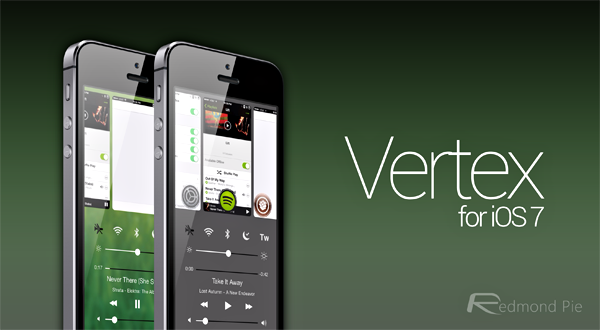
Vertex For iOS 7 Released: Brings A Marvelous iOS 8 Concept To Life

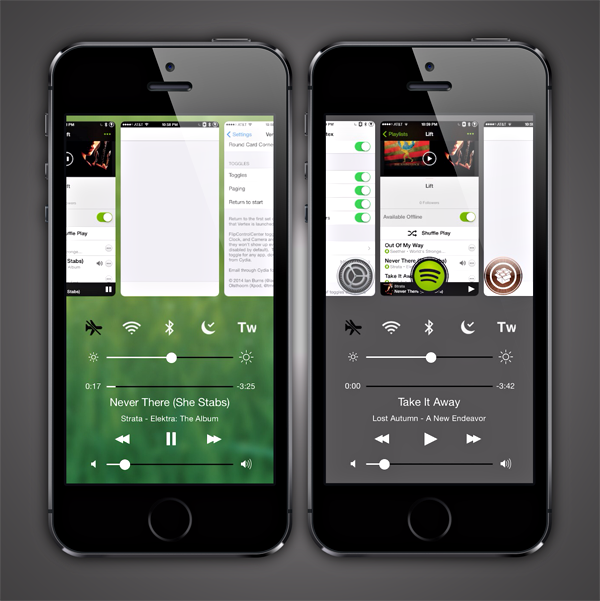
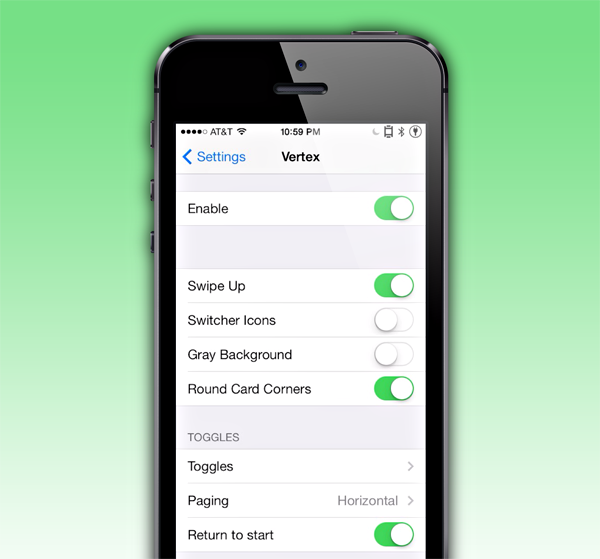
A particularly captivating, futuristic iOS 8 concept, which we first caught a glimpse of late last month, sought to combine elements of the Control Center and new multitasking view of to create an entirely new, effortlessly functional interface. Some concepts are unattainable and / or just plain unrealistic, but, reading between the lines, this particular concept made perfect sense – combining two features into one for ease-of-access. Naturally, with the jailbreak scene currently thriving, one developer sought to turn this most plausible of designs into a genuine reality, and having announced the Vertex tweak only a couple of days back, it has been completed, packaged up, and is ready for prime time. Check it out below!
As well as making better use of the limited amount of display real estate offered by the iPhone, Vertex is also compatible with the iPad, where it really spreads its wings and showcases its beauty.

With Vertex, the Control Center and multitasking interface is pieced together in such a manner that one can quickly forget that these two entities are separate at stock level, and not only do they work side-by-side in a harmonious, complementary fashion, but they also look as though they were meant to be as one, as a result, it doesn’t feel at all cluttered.


Vertex can be found over at the BigBoss repo, and will set you back a mere $1.49. Of course, it has no actual bearing on iOS 8, which will pack its own set of functional and visual enhancements of which we currently have little to no clue. But nevertheless, having the Control Center and multitasking cards in one place is a very practical idea, and with this tweak on board, you’ll be able to manage your apps and device functions in one fell swoop.

Samsung muốn được giảm tiền phạt trong việc làm lộ tài liệu mật của Apple vì Apple cũng sai tương tự

Hồi tháng 11 năm ngoái Samsung đã bị phạt vì tiết lộ tài liệu mật của Apple trong vụ án giữa hai bên tại Tòa án quận Bắc California. Tài liệu này đề cập đến việc Apple cấp quyền sử dụng các bằng sáng chế của mình cho Nokia, Ericsson, Sharp, Philips. Đến ngày hôm nay, Samsung nói với tòa rằng bản thân Apple cũng đã vô tình làm lộ những thông tin đó, thậm chí còn công khai hơn. Tòa nhận thấy điều này quả thật có xảy ra, và Samsung muốn thẩm phán Paul Grewal giảm số tiền hãng phải trả cho Apple và Nokia bởi vì chính Apple cũng phạm phải sai lầm. Hiện chưa rõ khoảng tiền mà Samsung phải đền bù cho các bên liên quan là bao nhiêu và hãng đang đòi hỏi giảm bao nhiêu.

Samsung cho biết thêm rằng Apple đã công khai những thỏa thuận bản quyền của mình trong một sổ ghi án hồi tháng 10 vừa qua và đã để nó ở đó trong vòng 4 tháng trời. Trong thời gian đó, Apple cũng đã đăng tải một số thỏa thuận bí mật khác, trong đó có một số tài liệu liên quan đến Google và Samsung. Apple sau đó phát hiện ra mình đã phạm sai lầm và gỡ bỏ các tài liệu này sau một cuộc điều tra hồi tháng rồi. Apple được cho là đã từ chối cung cấp thông tin cho cuộc điều tra nên Samsung muốn tòa yêu cầu Apple phải tiết lộ thông nhiều thứ hơn.

Với những thông tin chính xác, Samsung có thể sẽ đạt được mục đích của mình trong việc giảm số tiền phạt phải nộp. Tuy nhiên, đây chỉ là một tranh cãi nhỏ giữa hai bên trong một cuộc chiến bản quyền với quy mô lớn hơn rất nhiều. Chúng ta hãy tiếp tục theo dõi xem diễn biến giữa hai bên xem sao.

Phó chủ tịch marketing iOS xuất hiện trong buổi ra mắt Ferrari FF với CarPlay


Không lâu sau khi Apple ra mắt CarPlay - giao diện điều khiển trên xe hơi giúp người dùng iOS kết nối thiết bị với chiếc xe ngon hơn - Phó chủ tịch marketing iPhone và iOS của Apple cũng đã đến Thụy Sĩ để tham dự triển lãm Geneva Motor Show 2014, đồng thời góp mặt trong buổi ra mắt xe có tích hợp CarPlay, điển hình là Ferrari với chiếc FF. Ferrari FF có giá bán 332.338$, là siêu xe thương mại đầu tiên của hãng này được thiết kế dẫn động 4 bánh, động cơ 6.3L mạnh mẽ và họ nói rằng nó là chiếc 4 chỗ nhanh nhất thế giới hiện nay, với khả năng tăng tốc từ 0-100km/giờ chỉ 3,7 giây và đạt tốc độ tối đa 335km/giờ. Dưới đây là loạt hình ảnh Greg Joswiak trong buổi ra mắt Ferrari FF ở GMS 2014.

Apple Announces September Retirement of CFO Peter Oppenheimer


Apple today announced the retirement of Chief Financial Officer Peter Oppenheimer. Oppenheimer will leave Apple in September of this year and will be succeeded by Luca Maestri, Apple’s vice president of Finance and corporate controller. This change in executive leadership comes one day after Goldman Sachs announced that Oppenheimer would be joining the banking firm's board of directors.
“Peter has served as our CFO for the past decade as Apple’s annual revenue grew from $8 billion to $171 billion and our global footprint expanded dramatically. His guidance, leadership and expertise have been instrumental to Apple’s success, not only as our CFO but also in many areas beyond finance, as he frequently took on additional activities to assist across the company. His contributions and integrity as our CFO create a new benchmark for public company CFOs,” said Tim Cook, Apple CEO. “Peter is also a dear friend I always knew I could count on. Although I am sad to see him leave, I am happy he is taking time for himself and his family. As all of us who know him would have expected, he has created a professional succession plan to ensure Apple doesn’t miss a beat.”
Oppenheimer joined Apple in 1996 as the Senior Director of Finance and Controller and was promoted several times before being appointed Chief Financial Officer in 2004. During his 18 years with Apple, Oppenheimer helped the company build a strong balance sheet, while expanding its data and corporate facilities in the US and acquiring key technology to drive innovation. 

Luca Maestri joined Apple in March 2013, after serving as the Chief Financial Officer at both Nokia Siemens Networks and Xerox. His 25-year career has spanned the globe with various leadership roles within General Motors bringing him to Asia Pacific, South America and Europe. 

Opinion: Will Apple abandon the ‘low-cost’ iPhone concept after apparent failure of 5c?

Apple doesn’t break down its iPhone sales figures, so we don’t know for sure that the iPhone 5c sold poorly, but certainly everything we do know seems to point in that direction – from early sales estimates through analytics and consumer surveys to Apple switching production from the 5c to the 5s.
None of this necessarily means that the 5c was a complete failure, of course: record-breaking iPhone sales right from the outset could mean that the plastic phone did ok, it’s simply that the 5s sold far better than expected. It could also be that it was the extra sales gained from the 5c that helped break those records.
But I suspect not. While the brightly-colored 5c was not without its fans, it was the iPhone 5s with itsTouch ID sensor and gold colored model that got all the attention, and I don’t think Tumblr advertising is going to change that. So my bet is we will again see a trend away from  colorful plastic iPhones …

Apple’s previous iPhone strategy couldn’t have been simpler: introduce one new handset a year, leaving the previous model or two on sale as the cheaper alternative. Those who wanted the new features, or simply have to have the latest thing, buy the new model, those who want to spend a little less can still have an iPhone by opting for an older model.
That was a strategy that worked, and was completely in line with Apple’s policy of keeping its product lines as simple as possible. There are those who argue that to complicate this by introducing the iPhone 5c was a mistake. I don’t view it that way, I view it as an experiment.
Apple’s reasoning was this. There are those who will always buy the latest model. There are those who want to pay less and are happy with last year’s tech. But there may be other categories: potential customers who weren’t going to buy either an iPhone 5s or an iPhone 5 but could be persuaded to spend iPhone 5 money on something recognisably new.
It was an experiment Apple could afford to conduct. The innards were, after all, just an iPhone 5, meaning that most of the production process already existed. Replacing the casing would have been a relatively inexpensive change compared to introducing a whole new model, and if more people bought the 5c than would have bought the 5, then it could have been a worthwhile investment.
My belief, though, is that it wasn’t. That the experiment failed. No matter how hard Apple tried to make plastic fashionable, most people prefer glass and metal, thanks very much. That’s one of the reasons they own an iPhone.
Which is why I expect Apple to revert to its former strategy this year: launch the iPhone 6, and retain the iPhone 5s as the lower-cost option – with plastic being consigned to iPhone history. Do you think I’m right? Or that we’ll see more plastic iPhones in future? Let us know your views in the poll and the comments.